



Are Your Milkweeds Going to Seed?
Do you want to Harvest the Seed?
If not, don’t worry about it! If so, Protect the Seed!
The Milkweed Bug Oncopeltus fasciatus. You will see that orange-red and black six-legged critter on your milkweeds this time of year. They are herbivores but highly specialized. Like the pickiest eater you know, they only eat one type of food, milkweeds. You will never see them on your tomatoes, squash, or roses, so do not fear the milkweed bug! They do not bite or sting and will never chase you down. They are used as research insects because they are so docile and easy to manipulate. Their only “natural” predator is a gardener with a hose. Since they have no other natural predators, you’ll notice they’ve never learned to escape quickly so you can pick them off. There is no need for chemical assault, not to mention the damage you do to your monarchs if you apply chemicals.
You see, the red and black color combination is no mistake; it is a warning sign to any potential predator that they will be a particularly nasty meal. Their tissue is infused with the toxins from milkweed sap which they ingest with their piercing proboscis. They feed on leaves, stems, and seeds but do not usually cause excessive damage to the plant. If you want to collect seeds to use or share next year, it would be a good idea to protect the pods you want with an organza mesh bag. That way, you can be sure that all the embryos have adequately developed without being robbed of nutrition by our little danger flagmen.
You will notice little brown spots on the surface of the green pods that are not protected. The pod was pierced to get to a developing seed in these spots. The bugs do not destroy all the seeds in the pod but given that Monarchs have just been put on the endangered species list, I want to ensure I’m handing out good seeds when I encourage folks to plant them.
You can find organza bags on the internet and at craft stores. I recommend using white bags to reduce heat absorption; they come in different sizes and can be reused yearly.
For more on these little critters see this link at the Pollinator Web:
https://pollinatorweb.com/milkweed-bugs-friend-or-foe/#:~:text=Large%20milkweed%20bugs%20%28LMBs%29%20are%20herbivorous%20–%20they,and%20cause%20misshapen%20seeds%20and%20lower%20seed%20production.
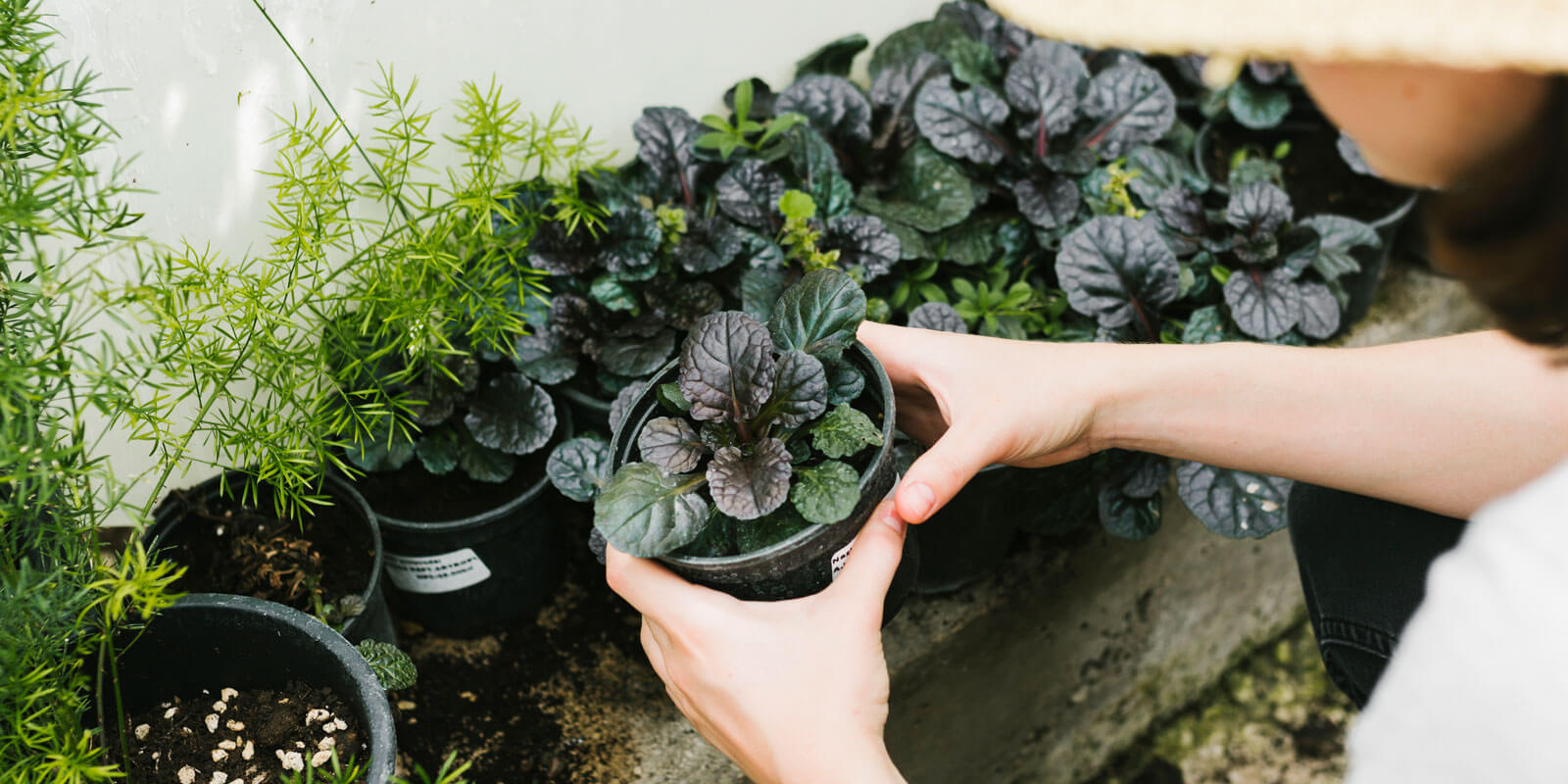
Milkweed Bugs
Search
Popular Posts
-

June Monthly Meeting
Master Naturalist, Kathryn Kolb, Director of the EcoAddendum, is our speaker for our June 15th meeting at 7PM . She will explain the accidents of history that gave metro Atlanta its exceptional urban forest and natural areas, from parks to backyards. She will also share how to identify our highest value old growth forest remnants—which…
-
May Monthly Meeting
Trecia Neal, a Biologist and Monarch Watch Conservation Specialist, gave a thorough education on the biology and ecology of the Monarch butterfly. Her presentation was outstanding, as were her videos! In detail, she explained why the butterfly weed should be a native species. She explained why the migration is endangered, the current conservation efforts, and…
-
April 2026 Meeting
We welcome Michael Cowan, chairman of the Georgia Native Plant Society, to speak on Georgia’s Essential Native Plants at our April meeting. Join us at Bethesda Senior Center on Monday the 20th at 7PM to hear the vital role that our members can play in fulfilling the society’s mission to champion the stewardship and conservation…
Categories
Archives
Tags
ants (1) beneficials (1) bird houses (1) Birds (5) cleistogamous (1) Compost (3) cuttings (1) dandelions (1) disturbed soil (1) early emerging bees (1) early nectar source (1) elaiosome (1) fertilizer (1) formic acid (1) gardening (1) Garden Tour (2) green mulch (1) ground cover (1) groundcovers (1) ground dwelling bees (1) Herbs (3) invasive plants (2) layering (1) Mason Bees (1) milkweed (1) Mycobacterium vaccae (1) native ground covers (1) native plant (1) Native Plants (8) perennials (2) Pests (1) pioneer species (1) predator guards (1) Roses (2) self-fertilization (1) soil bacteria (1) stratification (1) straw bale (1) Trees (5) vegetable gardening (1) vertical layering (1) violet (1) violets (1) weeds (1) winter sowing (1)
Leave a Reply
You must be logged in to post a comment.