



Trumpet Vine (Campsis radicans)– A rambunctious, beautiful, native flowering vine, that is aggressive and can take over quickly! It grows wild in my yard. The underground root system is well established and pops up under every shrub and next to every tree we have. I am constantly battling it. When the plumber put in a 12-foot-tall white vent pipe for my new, costly septic system, I immediately painted it green to blend in, put chicken wire on it, and planted coral vine at the base. Besides the coral vine, trumpet creeper grew, and this time I said, “Why not! If it grows quickly, perhaps it will cover and hide the pipe, and hummingbirds are supposed to love the flowers, and I love hummers, so win-win.” Not so fast!
Finally, in its third year, we have a consistent trumpet vine bloom, but the hummingbirds do not frequent it! @#$%^&* Why not? I sit in my little spy position, waiting to get a picture of a hummer frequenting a flower, which never happens. They visit other flowers. I don’t spray poisons. The answer came in a recent post in Terry Johnson’s Backyardwildlifeconnection blog. It seems hummingbirds can smell the trail of insects that can hurt them, including the formic acid of ants!
Sure enough, there are relatively large ants all over my trumpet creeper. iNaturalist identifies them as Pale Field Ants Formica pallidefulva. I tried to find out more about these critters. A website sells them for people with ant farms because they are “entertaining to watch.” These ants forage for both sugars and live prey.
“When they hunt, they grab their prey’s legs and stretch it out. Then some workers spit formic acid all over them.” – Canada Ant Colony
Charming little critters! I doubt these ants have the herculean strength they would need to subdue a hummingbird, but a bite is a bite. The hummers are wise to stay away.
So, what to do? These ants’ hives are entirely underground, and I’ve not been bitten. I don’t particularly want to kill them; they do eat aphids. On the internet, I found a natural ant repellent that is supposed to be safe around birds, pets, and kids. The active ingredient is cinnamon oil. I may have to spray the trumpet creeper with a soap solution to remove the formic acid still present since it is only partially soluble in water. Maybe our fourth year with trumpet creeper will be the charm!
If you are not a subscriber to Terry Johnson’s Backyardwildlifeconnection https://backyardwildlifeconnection.com I highly recommend it. Terry is a retired DNR wildlife biologist who specialized in endangered wildlife and is the current Executive Director of The Environmental Resource Network (TERN). He will keep you up to date on all things related to the special creatures of Georgia.
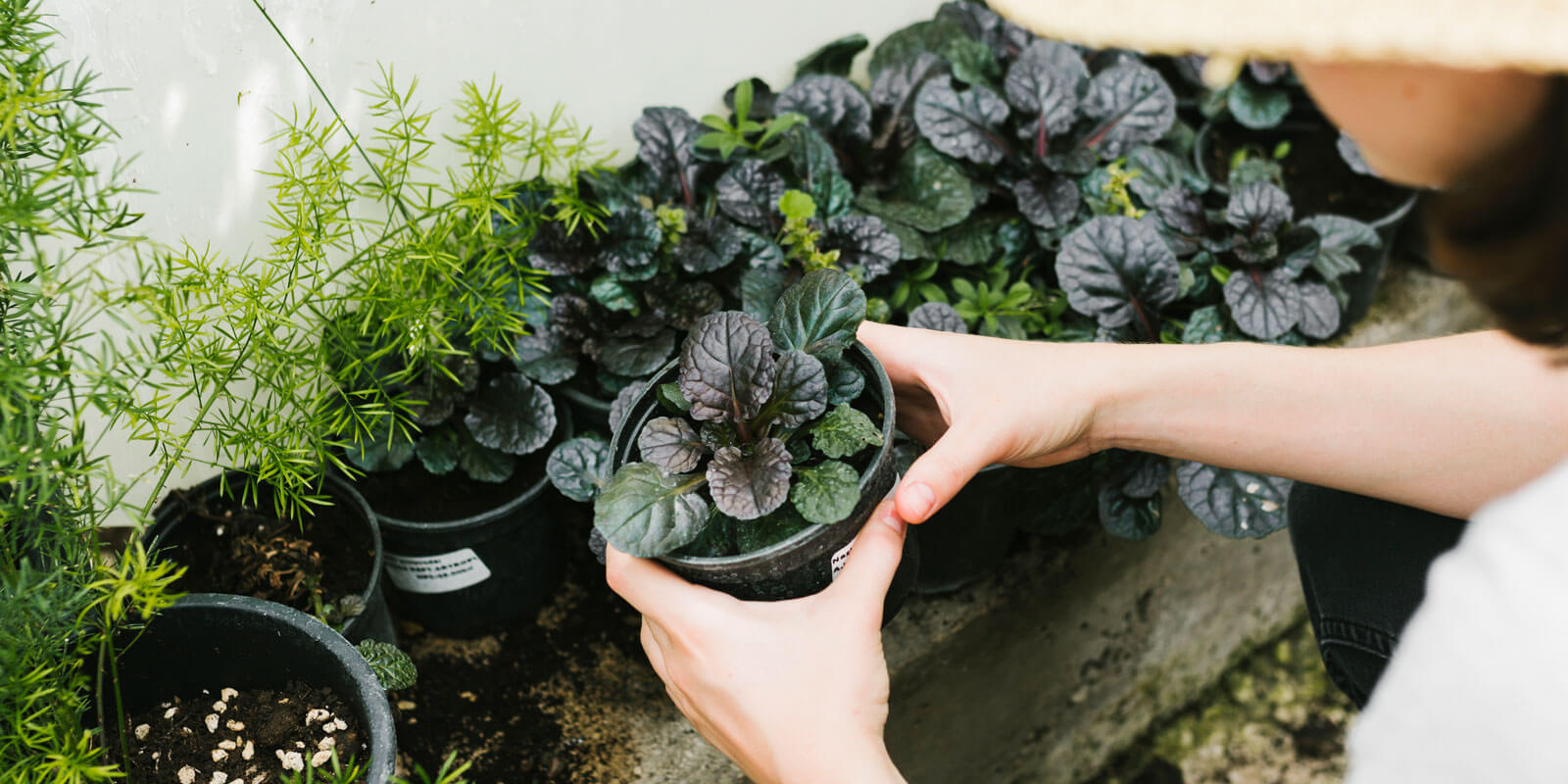
Trumpet Vine, Hummingbirds and Ants
Search
Popular Posts
-

June Monthly Meeting
Master Naturalist, Kathryn Kolb, Director of the EcoAddendum, is our speaker for our June 15th meeting at 7PM . She will explain the accidents of history that gave metro Atlanta its exceptional urban forest and natural areas, from parks to backyards. She will also share how to identify our highest value old growth forest remnants—which…
-
May Monthly Meeting
Trecia Neal, a Biologist and Monarch Watch Conservation Specialist, gave a thorough education on the biology and ecology of the Monarch butterfly. Her presentation was outstanding, as were her videos! In detail, she explained why the butterfly weed should be a native species. She explained why the migration is endangered, the current conservation efforts, and…
-
April 2026 Meeting
We welcome Michael Cowan, chairman of the Georgia Native Plant Society, to speak on Georgia’s Essential Native Plants at our April meeting. Join us at Bethesda Senior Center on Monday the 20th at 7PM to hear the vital role that our members can play in fulfilling the society’s mission to champion the stewardship and conservation…
Categories
Archives
Tags
ants (1) beneficials (1) bird houses (1) Birds (5) cleistogamous (1) Compost (3) cuttings (1) dandelions (1) disturbed soil (1) early emerging bees (1) early nectar source (1) elaiosome (1) fertilizer (1) formic acid (1) gardening (1) Garden Tour (2) green mulch (1) ground cover (1) groundcovers (1) ground dwelling bees (1) Herbs (3) invasive plants (2) layering (1) Mason Bees (1) milkweed (1) Mycobacterium vaccae (1) native ground covers (1) native plant (1) Native Plants (8) perennials (2) Pests (1) pioneer species (1) predator guards (1) Roses (2) self-fertilization (1) soil bacteria (1) stratification (1) straw bale (1) Trees (5) vegetable gardening (1) vertical layering (1) violet (1) violets (1) weeds (1) winter sowing (1)
Leave a Reply
You must be logged in to post a comment.