



Bottlebrush Buckeye is a glorious native shrub for the landscape. They are stunning in flower, particularly when used in mass or on a tall bank. Blooming in that gap period between the spring flush and the fall asters bottlebrush helps fill the need for a food source for pollinators during the hot summer months when there are fewer plants in flower. Right now, these shrubs are abuzz with bees; you might also see butterflies, particularly eastern swallowtails, and if you are observant enough, you might see a hummingbird darting among the flowers. The blossoms are creamy-white and look like candelabras that are 6 to 24” long panicles that start blooming from the bottom, gradually opening flowers until reaching the top.
This is a sun to part-shade plant for moist, well-drained, slightly acidic soil, but be prepared to give it room; it grows 6-10 feet and forms thickets that can grow as wide. Its native habitat is rich, moist woods and ravines. Bottlebrush buckeye can be used as shrubs in a hedgerow or as a specimen in the landscape. It is resistant to drought. It is deciduous, turning golden yellow in the fall—Hardy in zones 5 to 8.
A word of Caution! If eaten, all parts of this plant are highly poisonous to humans, cats, dogs, and horses. Toxicity depends on a person’s age, weight, physical condition, and individual susceptibility. Children are most vulnerable because of their curiosity and small size. The deer bit off half of the first flower stalk on mine; that was the only taste they needed to know they didn’t want anymore and did not cause further damage.
I bought mine at the Georgia Perimeter College Plant Sale in Decatur. Last year their Fall sale was on November 27. Fall is a great time to plant shrubs and you support the college’s horticulture program, a win-win. There is an extensive list of native plant sources on this website: https://gnps.org/georgias-native-plants/sources-native-plants/
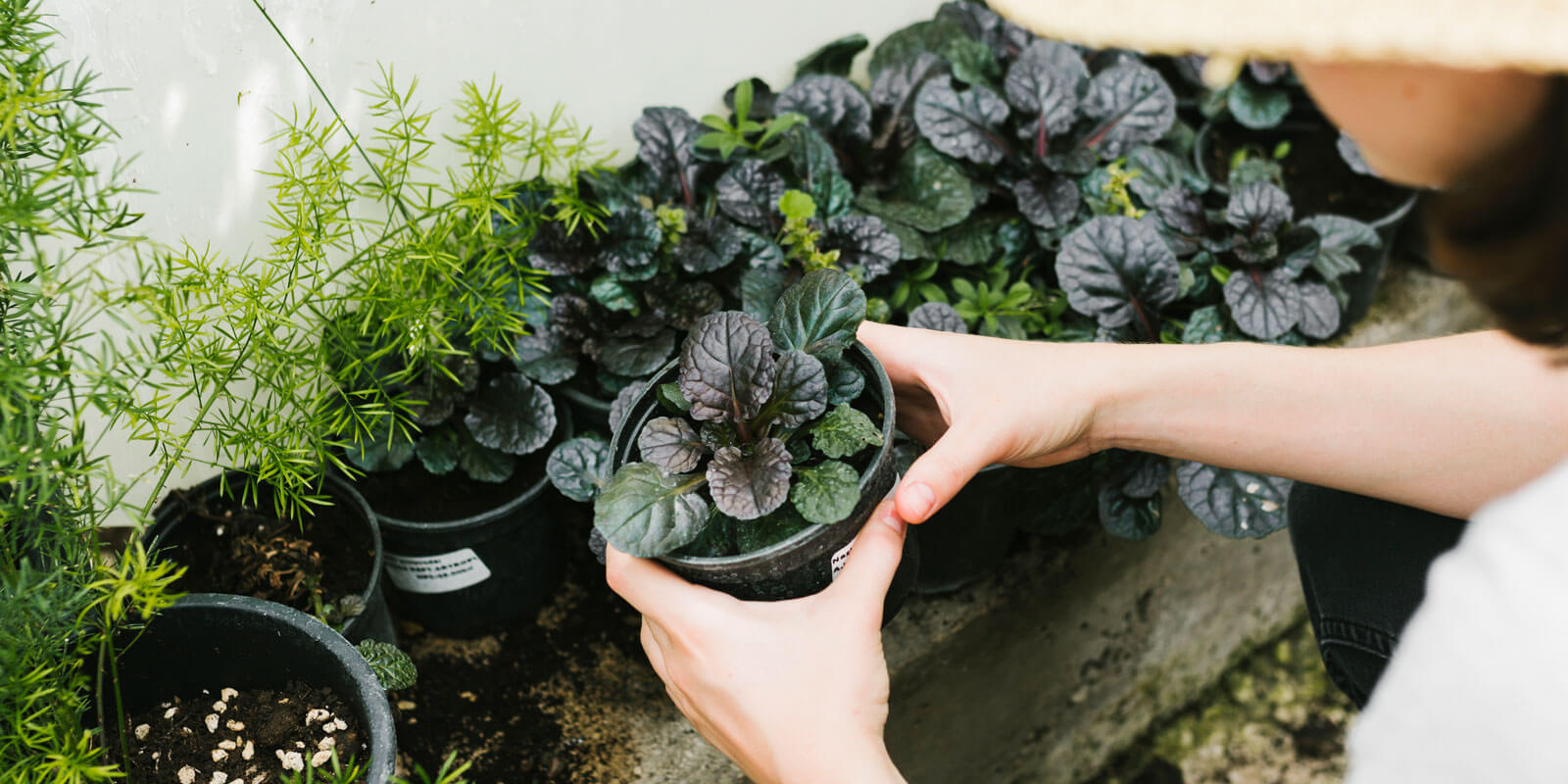
Bottlebrush Buckeye – What’s Blooming Now
Search
Popular Posts
-
June Monthly Meeting
Master Naturalist, Kathryn Kolb, Director of the EcoAddendum, is our speaker for our June 15th meeting at 7PM . She will explain the accidents of history that gave metro Atlanta its exceptional urban forest and natural areas, from parks to backyards. She will also share how to identify our highest value old growth forest remnants—which…
-
May Monthly Meeting
Trecia Neal, a Biologist and Monarch Watch Conservation Specialist, gave a thorough education on the biology and ecology of the Monarch butterfly. Her presentation was outstanding, as were her videos! In detail, she explained why the butterfly weed should be a native species. She explained why the migration is endangered, the current conservation efforts, and…
-
April 2026 Meeting
We welcome Michael Cowan, chairman of the Georgia Native Plant Society, to speak on Georgia’s Essential Native Plants at our April meeting. Join us at Bethesda Senior Center on Monday the 20th at 7PM to hear the vital role that our members can play in fulfilling the society’s mission to champion the stewardship and conservation…
Categories
Archives
Tags
ants (1) beneficials (1) bird houses (1) Birds (5) cleistogamous (1) Compost (3) cuttings (1) dandelions (1) disturbed soil (1) early emerging bees (1) early nectar source (1) elaiosome (1) fertilizer (1) formic acid (1) gardening (1) Garden Tour (2) green mulch (1) ground cover (1) groundcovers (1) ground dwelling bees (1) Herbs (3) invasive plants (2) layering (1) Mason Bees (1) milkweed (1) Mycobacterium vaccae (1) native ground covers (1) native plant (1) Native Plants (8) perennials (2) Pests (1) pioneer species (1) predator guards (1) Roses (2) self-fertilization (1) soil bacteria (1) stratification (1) straw bale (1) Trees (5) vegetable gardening (1) vertical layering (1) violet (1) violets (1) weeds (1) winter sowing (1)
Leave a Reply
You must be logged in to post a comment.