



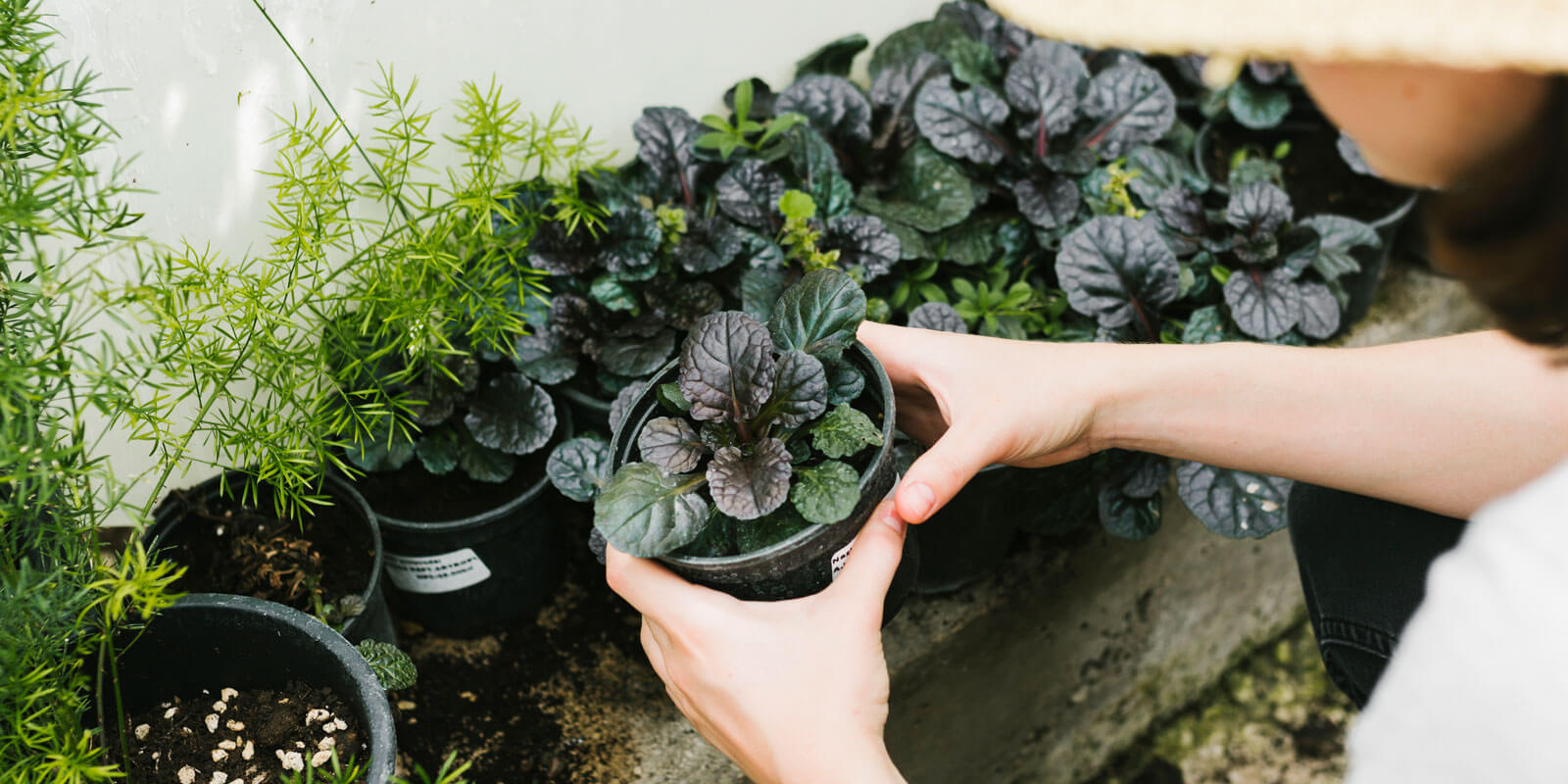
An absolutely great workshop led by Susan Meyers, a conservation specialist and educator from the monarchwatch.org. Susan presented information about Georgia butterflies, our caterpillars and told us about the importance of all pollinators in our lives and explained their contribution to our food chain. She shared abundant written material and gave us the opportunity to choose seeds to supplement our own butterfly and pollinator gardens. Each of the attendees built a pollinator house to provide a home for individual species and brought home the makings for a butterfly puddle pond. Fast answers to questions won some attendees plants with caterpillars – a passion vine with several Gulf Fritillary instars, rue with Giant Swallowtail instars, as well as parsley with Black Swallowtail instars.
October 2016 Pollinator Workshop
Search
Popular Posts
-
June Monthly Meeting
Master Naturalist, Kathryn Kolb, Director of the EcoAddendum, is our speaker for our June 15th meeting at 7PM . She will explain the accidents of history that gave metro Atlanta its exceptional urban forest and natural areas, from parks to backyards. She will also share how to identify our highest value old growth forest remnants—which…
-
May Monthly Meeting
Trecia Neal, a Biologist and Monarch Watch Conservation Specialist, gave a thorough education on the biology and ecology of the Monarch butterfly. Her presentation was outstanding, as were her videos! In detail, she explained why the butterfly weed should be a native species. She explained why the migration is endangered, the current conservation efforts, and…
-
April 2026 Meeting
We welcome Michael Cowan, chairman of the Georgia Native Plant Society, to speak on Georgia’s Essential Native Plants at our April meeting. Join us at Bethesda Senior Center on Monday the 20th at 7PM to hear the vital role that our members can play in fulfilling the society’s mission to champion the stewardship and conservation…
Categories
Archives
Tags
ants (1) beneficials (1) bird houses (1) Birds (5) cleistogamous (1) Compost (3) cuttings (1) dandelions (1) disturbed soil (1) early emerging bees (1) early nectar source (1) elaiosome (1) fertilizer (1) formic acid (1) gardening (1) Garden Tour (2) green mulch (1) ground cover (1) groundcovers (1) ground dwelling bees (1) Herbs (3) invasive plants (2) layering (1) Mason Bees (1) milkweed (1) Mycobacterium vaccae (1) native ground covers (1) native plant (1) Native Plants (8) perennials (2) Pests (1) pioneer species (1) predator guards (1) Roses (2) self-fertilization (1) soil bacteria (1) stratification (1) straw bale (1) Trees (5) vegetable gardening (1) vertical layering (1) violet (1) violets (1) weeds (1) winter sowing (1)
Leave a Reply
You must be logged in to post a comment.