



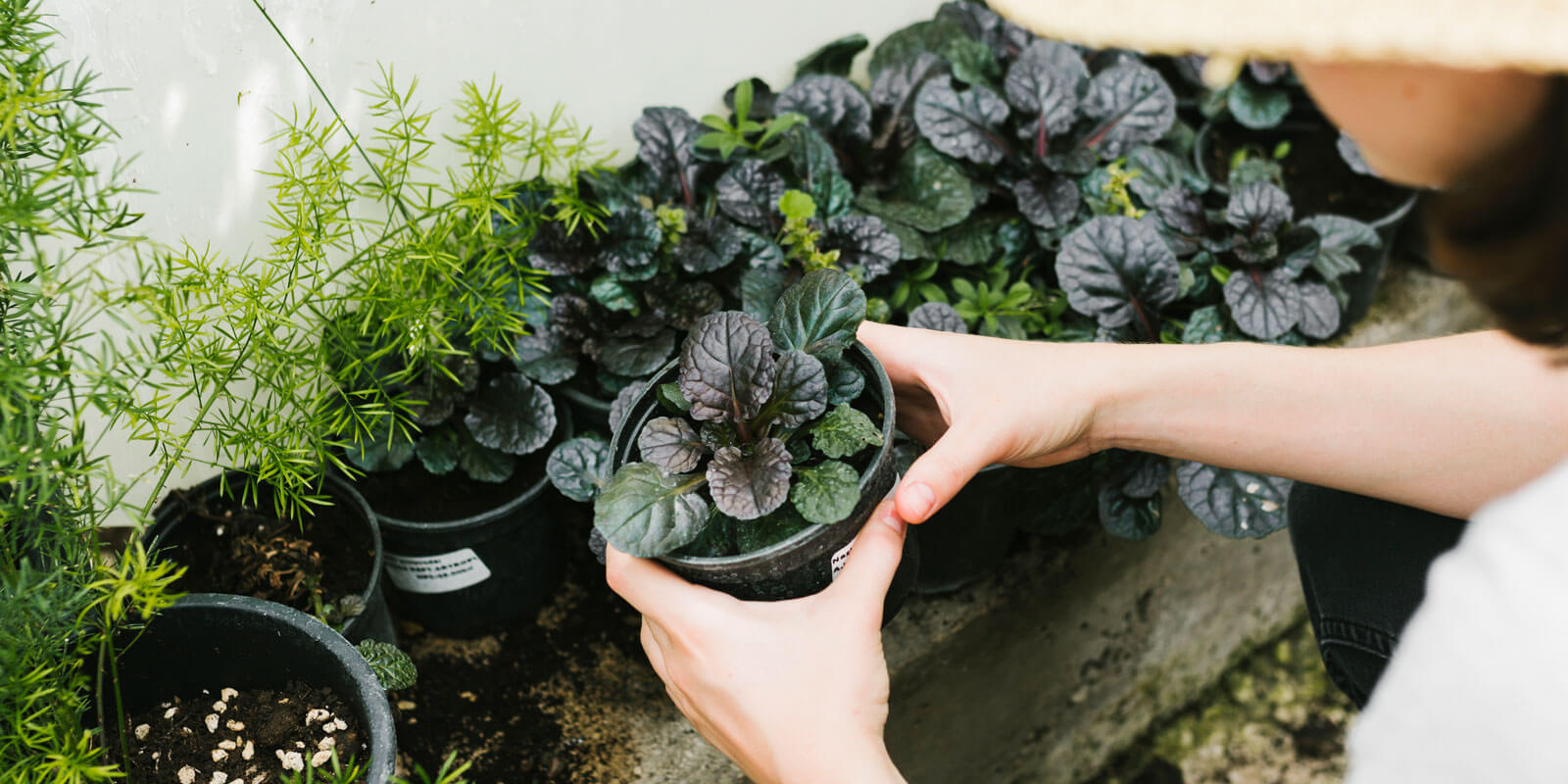
Month: October 2000
-
Caring for Your Garden Tools
Read More: Caring for Your Garden ToolsNow that your fall garden chores are completed, it’s time to give your trusty garden tools some attention before storing them. By properly cleaning and making the necessary repairs now, your tools will be less apt to corrode. When spring rolls around, they will be ready to be used. Wooden Handles:To clean the handles, wipe…
-
Caring For Your Holiday Plants
Read More: Caring For Your Holiday PlantsWith the holidays rapidly approaching, it is a great time to give the gift of a blooming plant that can be used to decorate the home. Here are some tips to keep your plant healthy, happy and ready to bloom. Christmas cactus and Amaryllis are plants native to Central and South America while Poinsettia comes…
-
A Bit of Dirt – Winter 2008
Read More: A Bit of Dirt – Winter 2008The full pdf copy of this edition is available here. PRESIDENT’S MESSAGE – by John Atkinson. It’s a wonderful world! The year 2007 is almost over and what a good year it has been. It is time to express many thanks to Glenn Parsons and the officers and leaders that have guided us (like Moses)…
-
Edible Wild Landscape: Cossack Asparagus
Read More: Edible Wild Landscape: Cossack AsparagusYou don’t have to travel to the steppes of Russia to find this wild edible plant. “Cossack asparagus” is another name for the common cattail, sometimes called bulrush. There are probably very few people who don’t know what a cattail is or what it looks like. When mature, the cattail is easily recognized by its…
-
Using Stone For The Bones Of The Garden
Read More: Using Stone For The Bones Of The GardenHarmony in the garden is created when there’s balance. In Eastern Philosophy it is the gentle balance of Yin and Yang. Yin and Yang are basically two energies. Yin is the dark, passive, grounding, and a cooler energy. Yang is the light, active, and warmer energy. Notice how the most harmonious gardens will contain a…
-
Overwintering Tropical Water Lilies
Read More: Overwintering Tropical Water LiliesThe beautiful water lilies that graced your pond with blooms this summer need special care this winter. They are tropical in origin and will not become dormant to survive our winters unless you live in Zones 9 or 10. There are several methods for over-wintering these plants. One will be just right for you! The…
-
A Bit of Dirt – Fall 2008
Read More: A Bit of Dirt – Fall 2008The full pdf copy of this edition is available here. PRESIDENT’S MESSAGE – by John Atkinson EVERY DAY IS A GIFT! Where do we go from here? What do we do with this gift? First: Let me say “thank you” for a remarkable year! My commitment to Gwinnett County Master Gardeners will continue, but it…
-
A Bit of Dirt – Summer 2008
Read More: A Bit of Dirt – Summer 2008The full pdf copy of this edition is available here. PRESIDENT’S MESSAGE – by John Atkinson ADVANCED MASTER GARDENER TRAINING There is so much to learn and so little time. Marco Fonseca, State MG Coordinator, and others at the University of Georgia have put together the Advanced Master Gardener Training Program to provide continuing education…
-
A Bit of Dirt – Spring 2008
Read More: A Bit of Dirt – Spring 2008The full pdf copy of this edition is available here. PRESIDENT’S MESSAGE By John Atkinson Y’ALL COME OUT TO McDANIEL FARM! The Master Gardener Program is about learning and giving back to our community and this is a fun way to get involved. Most of our planting, cultivating, and harvesting times are Wednesday mornings. Watch…
-
Mycorrhizas
Read More: MycorrhizasFUNGUS Fungi are neither plant nor animals but a very different type of organism. They do not contain chlorophyll or the molecule used in photosynthesis to produce sugars with the help of sunlight. They do not have a root system like that found in trees, shrubs, flowers, and grasses. As a result, they cannot manufacture…
Search
Popular Posts
-
June Monthly Meeting
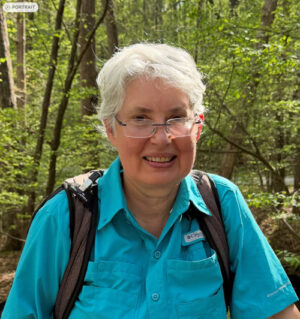
Master Naturalist, Kathryn Kolb, Director of the EcoAddendum, is our speaker for our June 15th meeting at 7PM . She will explain the accidents of history that gave metro Atlanta its exceptional urban forest and natural areas, from parks to backyards. She will also share how to identify our highest value old growth forest remnants—which…
-
May Monthly Meeting
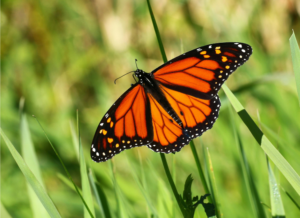
Trecia Neal, a Biologist and Monarch Watch Conservation Specialist, gave a thorough education on the biology and ecology of the Monarch butterfly. Her presentation was outstanding, as were her videos! In detail, she explained why the butterfly weed should be a native species. She explained why the migration is endangered, the current conservation efforts, and…
-
April 2026 Meeting
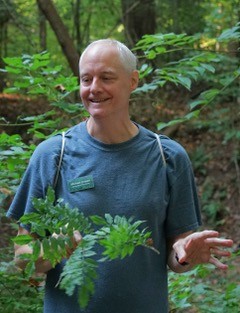
We welcome Michael Cowan, chairman of the Georgia Native Plant Society, to speak on Georgia’s Essential Native Plants at our April meeting. Join us at Bethesda Senior Center on Monday the 20th at 7PM to hear the vital role that our members can play in fulfilling the society’s mission to champion the stewardship and conservation…
Categories
Archives
Tags
ants (1) beneficials (1) bird houses (1) Birds (5) cleistogamous (1) Compost (3) cuttings (1) dandelions (1) disturbed soil (1) early emerging bees (1) early nectar source (1) elaiosome (1) fertilizer (1) formic acid (1) gardening (1) Garden Tour (2) green mulch (1) ground cover (1) groundcovers (1) ground dwelling bees (1) Herbs (3) invasive plants (2) layering (1) Mason Bees (1) milkweed (1) Mycobacterium vaccae (1) native ground covers (1) native plant (1) Native Plants (8) perennials (2) Pests (1) pioneer species (1) predator guards (1) Roses (2) self-fertilization (1) soil bacteria (1) stratification (1) straw bale (1) Trees (5) vegetable gardening (1) vertical layering (1) violet (1) violets (1) weeds (1) winter sowing (1)